 Get a quote →
How to prepare a property for an interior or listing shoot: a checklist
What to do the day before, the morning of and room by room, so the crew spends its time shooting and not tidying.
 By Mohamed Hesham, Founder of CEMA · LinkedIn
Updated 13 Oct 2026 · 6 min read
Short answer: the day before, clean, declutter and make sure every light works. On the morning, open the blinds, switch off TVs and ceiling fans, hide personal items and move the cars. Tell building security that a crew is coming, and have one person on site who can open every door. A prepared property is shot faster, and time on site is what you pay for.
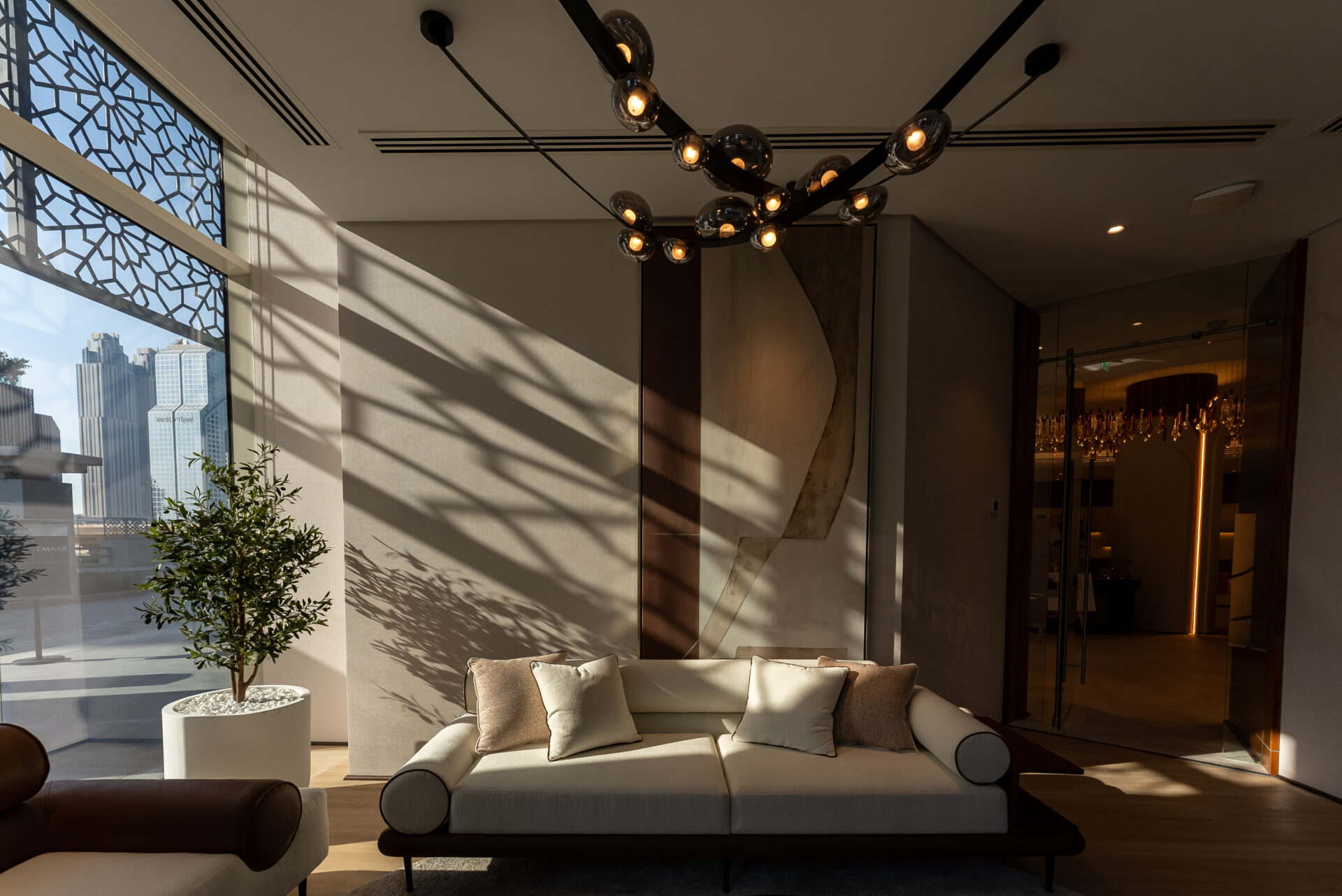
The day before
- Deep clean. Floors, glass, mirrors and steel show every mark on camera. Clean the windows inside and out where you can.
- Declutter. Clear worktops, coffee tables, bedside tables and shelves. Leave two or three objects on a surface, not ten.
- Test every light. Replace dead bulbs and match the colour in each room. Warm and cool bulbs in the same room look wrong in photos.
- Fix the small things. Straighten pictures, tighten loose handles and touch up scuffed paint.
- Hide the personal items. Family photos, mail, medicine, chargers, remotes and toys.
- Sort the outside. Mow the lawn, sweep the terrace, clean the pool and put the bins away.
- Confirm the plan. Send the crew a map pin, the building name, the floor and unit number, and the list of rooms to be shot.
The morning of the shoot
- Open every curtain and blind.
- Switch off TVs, computer screens and ceiling fans.
- Make the beds and smooth the covers.
- Lower the toilet seats and hang fresh towels.
- Move cars off the driveway and away from the front of the house.
- Take children and pets to another room or out of the property.
- Set the air conditioning to a comfortable temperature. The crew will be working for hours.
- Do a final walk through each room with your phone camera. If something catches your eye on the screen, it will show in the photos.
Room by room
| Room | Do | Remove |
|---|---|---|
| Living room | Plump and straighten the cushions, fold the throws, line up the chairs, hide the cables | Remotes, magazines, toys, pet beds |
| Kitchen | Wipe the worktops and appliance fronts, leave one or two items such as a bowl of fruit | Dish racks, sponges, fridge magnets, bins, small appliances you do not need |
| Bedrooms | Iron or steam the bedding, match the bedside lamps, close the wardrobes | Clothes, chargers, tissue boxes, anything stored under the bed that shows |
| Bathrooms | Polish the mirrors, taps and glass, hang matching towels | Toothbrushes, shampoo bottles, bath mats, laundry baskets |
| Outdoor areas | Set out the furniture and cushions, open the parasols, switch on the pool and garden lights | Hoses, pool cleaners, toys, covers, bins |
Lighting and time of day
- Daylight does most of the work. Bright, indirect daylight makes rooms look large and colours look true.
- Know which way the main rooms face. Direct sun through a window creates hard patches of light. Tell the crew the orientation, or send a few phone photos taken at different times, so they can choose the start time.
- Shoot the main rooms first. Agree the most important room in advance, so it is shot while the light is at its best.
- Plan the outside separately. Facades, gardens and pools often look best early or late in the day, when the sun is low. Dusk suits exteriors with the lights on.
- Leave the lights to the crew. Have every lamp working, then let the photographer decide which are on for each shot.
Access and building permissions
- Tell security. Some towers and gated communities ask for notice before a crew arrives with equipment. Ask building management a few days ahead whether they need a letter, a permit or ID copies.
- Book the lift and parking. Reserve a visitor space close to the entrance, and ask about the service lift if the building has one.
- Name one contact. One person on site who can open doors, answer questions and approve small decisions.
- Check the shared areas. If you want the lobby, gym or pool in the shoot, ask the building first.
- Tenants. If the property is occupied, agree the date and time with the tenant in writing.
- Drone shots. An indoor drone flight in a private interior needs only the owner’s permission. Outdoor drone flights in the UAE need aviation authority approval (GCAA, and DCAA in Dubai). Commercial operators register and request flight approvals on the GCAA’s UAE Drones platform. CEMA flies indoor shots in-house and arranges outdoor flights and their permits through licensed aerial partners. Our guide to drone filming permits in Dubai has more detail.
What the crew brings
A professional crew arrives with its own cameras, lenses, tripods and lighting, plus a stabiliser for video. You do not need to supply any equipment. What the crew needs from you is access to every room, working power sockets, a clear space to put equipment cases, and your contact person. For what to expect on a CEMA shoot, read our shoot prep guide.
What the owner should not do
- Do not clean during the shoot. Wet floors and cleaning staff in the background cost time.
- Do not move things mid-shoot. Photos and video of the same room need to match.
- Do not over-style. Too many props make a room look smaller. Simple reads better.
- Do not light candles or run diffusers. Smoke and haze show on camera.
- Do not schedule other visits. Viewings, deliveries and maintenance should wait until the crew has left.
- Do not stand behind the camera for every shot. Agree the shot list at the start, then let the crew work.
Book the shoot that fits the property
Once the property is ready, choose the shoot. For a finished design project, see interior photography and videography and our interior photography cost guide. For a sale or rental listing, see real estate videography and what real estate video and photos cost in Dubai. CEMA works in Dubai, Abu Dhabi and Sharjah with no travel charge. A 50% deposit locks your date.
Frequently asked questions
How long does it take to prepare a property for a shoot?
Plan the main work for the day before: cleaning, decluttering and replacing bulbs. Leave only the final touches for the morning, such as opening the blinds and hiding personal items.
Should the lights be on or off for interior photos?
Have every light working and matched in colour, then let the photographer decide. Some rooms look best in daylight alone, and others need the lamps on for warmth.
What is the best time of day for a property shoot?
It depends on which way the main rooms face. Aim for the hours when those rooms get bright, indirect daylight. Tell the crew the orientation, or send a few phone photos, so they can choose the start time.
Do I need permission from the building to film?
Some towers and gated communities ask for notice before a crew arrives with equipment. Ask building management a few days ahead whether they need a letter, a permit or ID copies.
Do I need a permit for drone shots of my property?
An indoor drone flight in a private interior needs only the permission of the owner. Outdoor drone flights in the UAE need aviation authority approval from the GCAA, and from the DCAA in Dubai. CEMA arranges outdoor flights and their permits through licensed aerial partners.
Budgeting for the shoot? Read the interior photography cost guide or what real estate video and photos cost in Dubai.
Sources: UAE Drones platform (GCAA)
Property ready? Book the shoot.
Tell us the property, the location and your date. We reply on WhatsApp within 2 hours and answer briefs within 24 hours. A 50% deposit locks your date.
Keep reading
Interior photography and videography in Dubai
Photos, films and reels for designers, architects and fit-out firms.
See the service → ServiceReal estate videography in Dubai
Listing reels, agent tours and cinematic films for brokers and agents.
See the service → PricesInterior photography cost in Dubai
The 2026 price guide for designers and fit-out firms.
Read →